
For the past couple of years, I’ve always had three books going at the same time. It helped me read about 100% more than I did before, when I was reading only one book at a time.
On a coffee break, a friend who knows this asked me: “Don’t you feel guilty? Reading a couple of books at the same time?”
Then, with a playful grin, he added: “Isn’t that cheating?”
It was a silly accusation. But I desperately wanted to defend myself.
“No, no, no,” I said. “I only read one novel at a time. I don’t cheat.”
We had good laugh about it, but the question stuck with me.
For someone who read one book at a time for over 20 years, why did I make the shift? Why did reading only one book stop working?
Turns out, my friend was right. I was cheating. Just not the way he thought.
In this post, I discuss why this system works and how it doubled the number of books I read without sacrificing enjoyment.
Key Takeaways:
1
Our mood changes throughout the day due to biological rhythms and emotional shifts. With it, our attention span and reaction time change too. These changes influence not just how well we read, but what kind of reading feels right at any given moment.
2
Reading a dense non-fiction book late at night, when focus is fading, isn’t as productive, or enjoyable, as reading a novel that demands less mental energy. The same goes for the reverse: reading light fiction during sharp morning hours feels like a waste.
3
Reading becomes much more enjoyable and productive when the right book matches the right time of day.
4
Instead of forcing through one book and getting frustrated when mood shifts, reading multiple types of books that match natural rhythms helps cover more ground and enjoy every single one.
5
This is why I read three books at a time: one novel (ebook, read at night), one narrative non-fiction (ebook, read early in the morning), and one demanding non-fiction (physical book, read in the afternoon).
6
With this three-book system, I can easily read 50+ books a year and enjoy each one of them.
Table of Contents
Is It Bad to Read Multiple Books at the Same Time?
Anyone who’s read since childhood started by reading one book at a time. Reading multiple books is a choice presented to us later in life.
Free time available to us gradually declines as we get older. We get busy and our mood fluctuates throughout the day. To keep the reading habit going as we age, and more importantly, to keep the joy of reading, we need some adjustments.
For many readers, therefore, reading multiple books works better because it lets you match what you read to your energy and mood. That makes it easier to enjoy whatever you’re reading at the time.
The next question follows naturally: what book should you read at what time?
To answer this, lets look at why and how mood changes during a typical day.
How Does the Mood Affect What Kind of Book You Should Read?
Ten or so years ago, when I got back into reading more books, I used to read only one book at a time.
I read mostly novels, occasionally some non-fiction books. In the first year, I was able to read about 15-20 books. Not bad for a start.
But I wanted to increase this number, and more importantly, read well at the same time. Still with the same strategy, reading one book at a time, I tried to pick up the book I was reading more often to hit the goal of reading 30 books a year.
This is when I started to notice the resistance.
Even though I liked to read books, and I particularly liked the one I was reading, there was a mental block that kept me from picking up the book at times. The more I tried to read, the more it pushed back.
That year, I would’ve only read 8-10 books.
So instead of 30, which was the goal, I dropped down to 10, which is even lower than when I didn’t set a goal in the first place.
At the end of the year, I looked back at why this happened. This is when I noticed a pattern. I wouldn’t want to pick up some books at certain times of the day.
For example, if I was reading a non-fiction book, especially if it’s demanding non-fiction without any narrative structure, I wouldn’t want to pick it up before bedtime. And if it’s a novel, I wouldn’t want to read it first thing in the morning because I’d rather use that time to learn something.
I realized that the intent to pick up a book at a certain time during the day has a lot to do with my mood.
Turns out there’s a lot of research done on this.
Our mood changes throughout the day, and with it, our reaction time during a task, attention and alertness, and accuracy and consistency. And these aren’t minor changes either.
One research study found that the reaction time difference ranged from about 9% to 30%, and the attention and alertness difference ranged from 7% to 40%.
In short, our brains aren’t equally good at all kinds of thinking all day long.
Some books, like novels, don’t demand much attention, whereas a non-fiction book requires sustained focus and mental energy.
So picking up a non-fiction book late at night, where we’re so tired and our reaction times and alertness are way down, wouldn’t be the best choice. You’d drop it off again as fast as you’d picked it up because the mind isn’t ready for it, even though you want to read more.
When you try to force reading anyway, it takes away the enjoyment of reading. The pages will turn, but nothing will stick because you won’t likely engage with it. Because of this, over time, it can kill the reading habit entirely.
On the other hand, if you pick up the right book at the right time, one that’s compatible with your mood, you’ll likely enjoy what you’re reading.
As simple as it sounds, when you enjoy reading, you read more, and consequently finish more books.
So how do you align your reading habits according to these biological rhythms and emotional fluctuations?
The 3-Book System: How I Choose Which Book to Read Based on Time of Day
After a lot of trial and error, here’s the system that worked, that lets me read 50+ books per year without burning out and keeps the joy of reading alive.
At a time, I rotate between three books, no less and no more. I’ll explain my reasoning for this in a later section.
Below I explain how and why I switch based on mood, energy, or time of day, with these three types of books.
One Narrative Non-Fiction Book
Purpose: Entertainment to learning
Time to read: Right after waking up, in bed
Duration: One hour
Medium: Kindle
Explanation: I like to read, but I’m also lazy! Even though the mind is technically at its sharpest in the morning, I want to wake up slowly, to a book I can read in bed. So a demanding non-fiction book doesn’t work because I want to fully engage with it, making notes and adding highlights. But also being mindful of the advantage of having the best mental clarity in the morning, I’d rather learn something while I’m reading too. So the best choice is a narrative non-fiction, a non-fiction book that reads like a novel, but I also get to learn something I’m interested in learning about. This is why I use a Kindle to read, not only because I can easily read a Kindle in bed without waking up my other half, but also, I can just highlight with my hand. No need to get up from the bed.
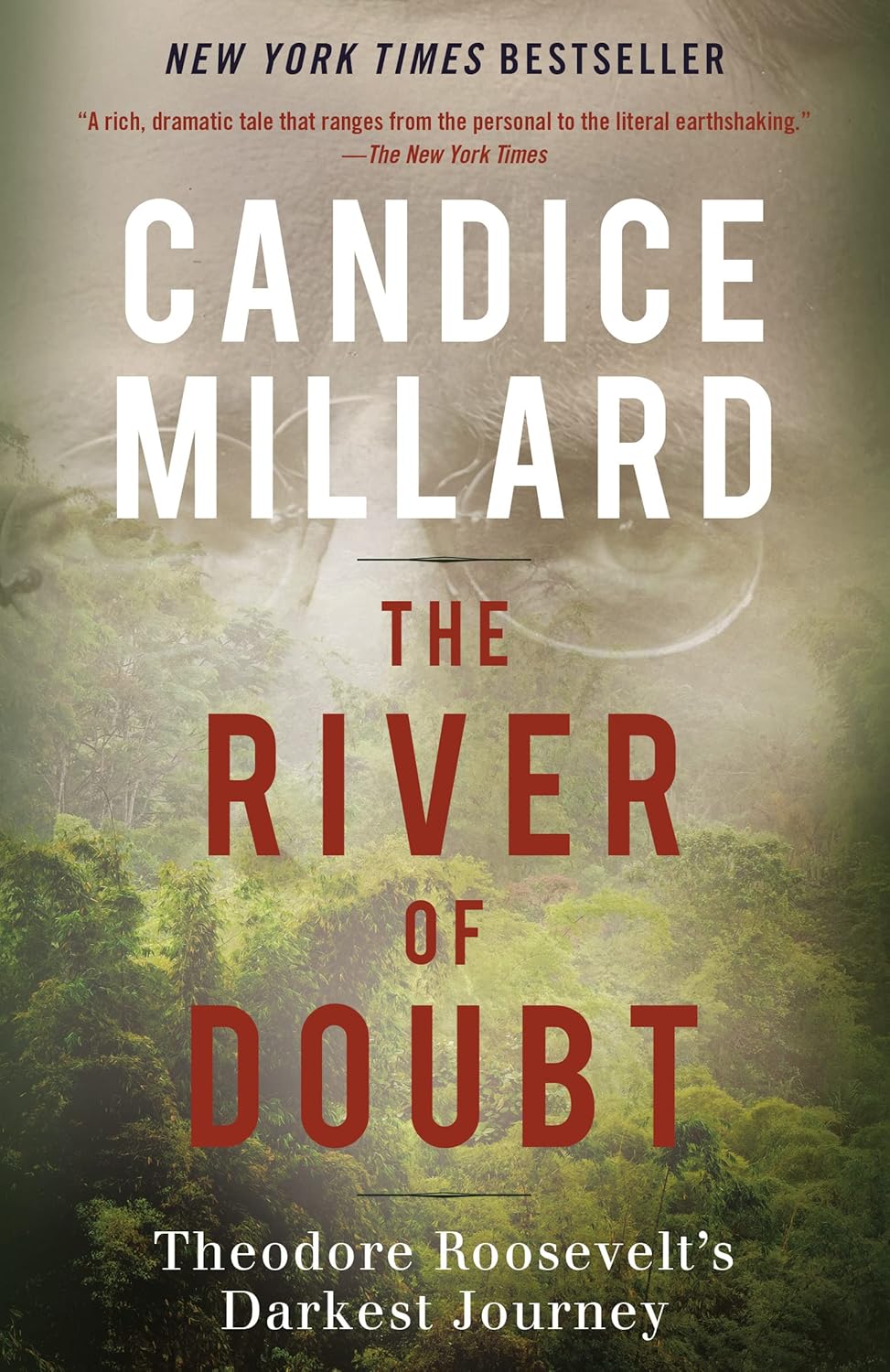
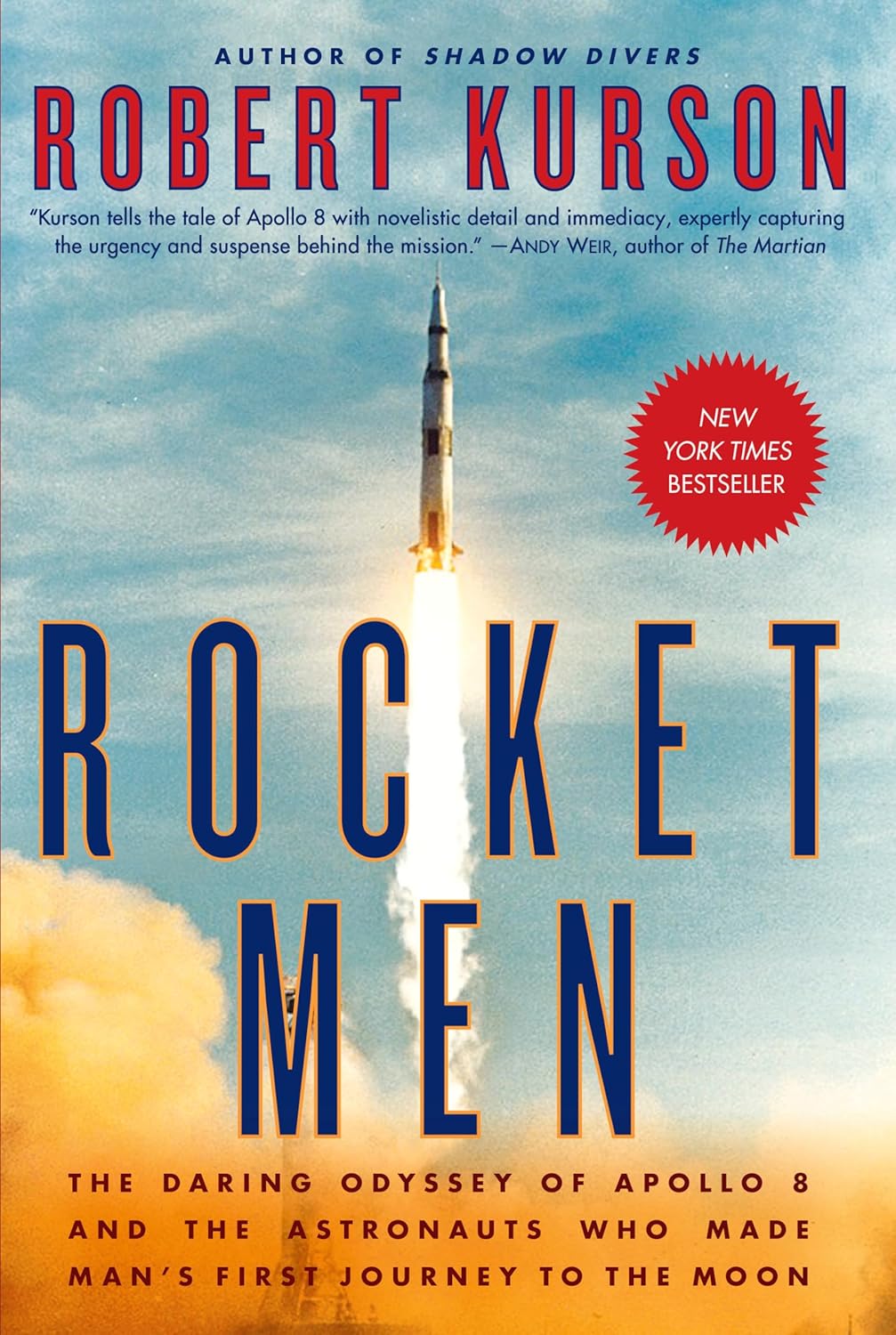
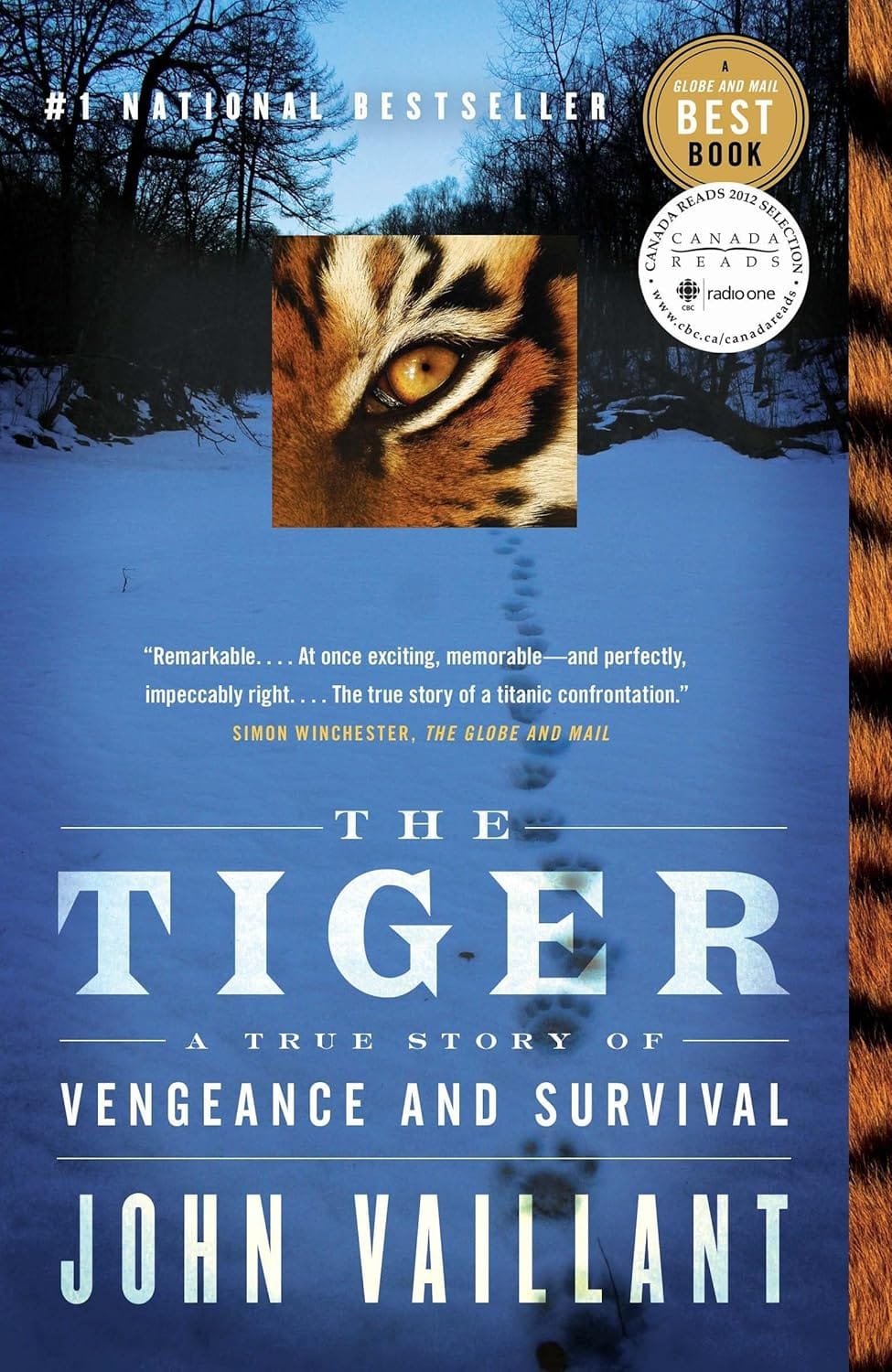
Examples: The River of Doubt, Rocket Men, The Tiger
One demanding Non-Fiction Book
Purpose: Learning
Time to read: Evening
Duration: One hour
Medium: Physical books
Explanation: I define a demanding non-fiction book as any book that’s not a novel, and not a narrative-driven non-fiction book, and/or has more than 400 pages. These ones need considerable attention and focus. Even though the evening (I start reading at 7:30) wouldn’t be the best time for such a book, with a full-time job, I couldn’t find another time to read a demanding non-fiction book. The way I decided to go about it is to trick the mind into believing that this is a good time to focus. To do this, I start reading right after going for a one-hour walk. So all the fatigue of doing a full day’s work is cleared by this walk, and the mind stays fresh for about an hour right after the walk. I only read physical books when it comes to demanding non-fiction because of two reasons: I want to fully engage with the book, taking notes, highlighting, and so on, and I want to go back and forth all the time to understand the main idea of the book. Both of these things are hard to do with a Kindle.
Examples: 48 Laws of Power, A conflict of Visions, The Righteous Mind
One Fiction Book
Purpose: Entertainment
Time to read: Right before going to bed, in bed
Duration: 30 minutes to one hour
Medium: Kindle mostly, but sometimes physical books
Explanation: I start reading fiction at around 11 PM. At this time, obviously the mind is winding down and needs something light. If I force myself to read demanding non-fiction at this point, nothing will stick. This is why a light fiction book works best.
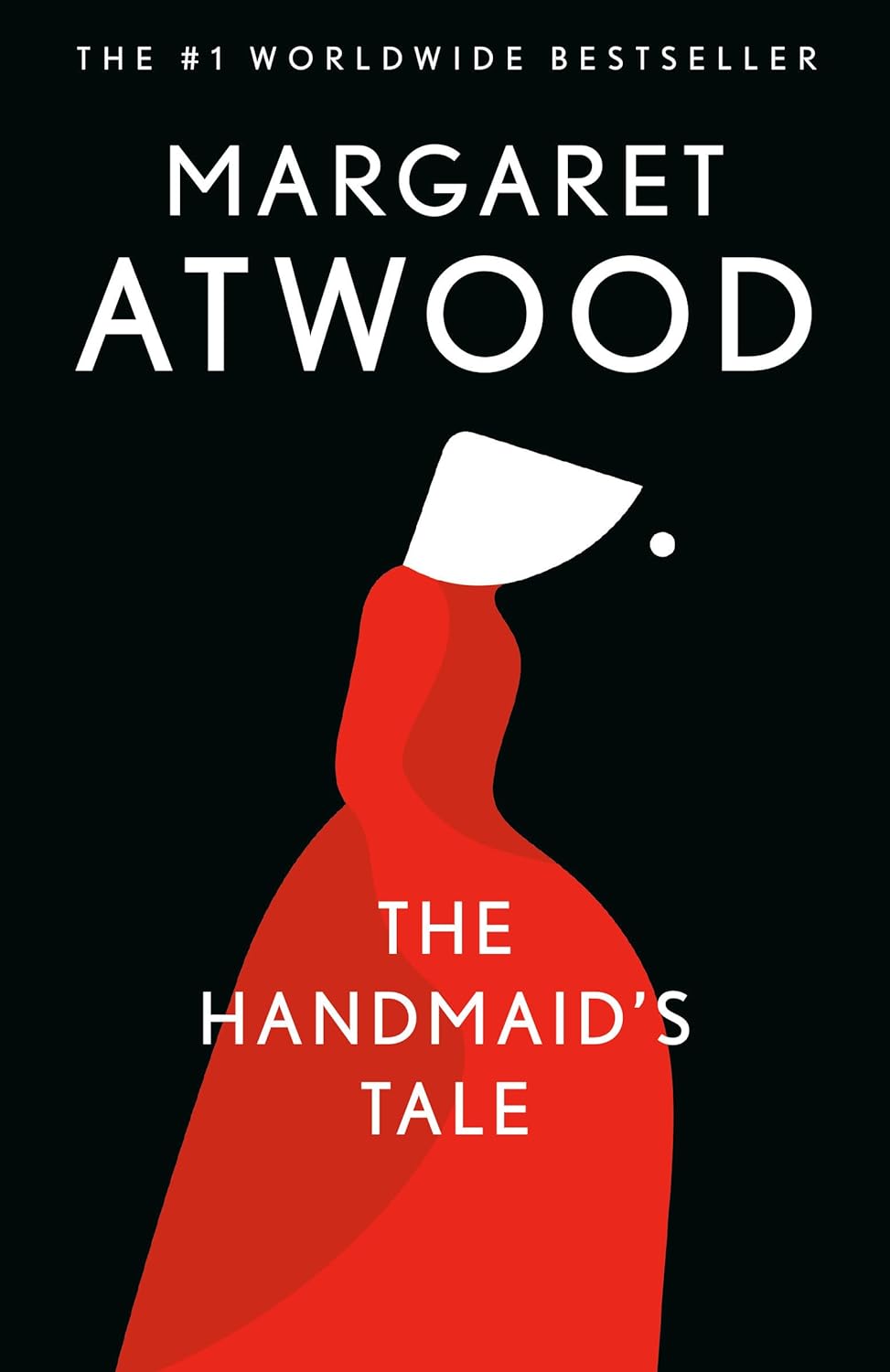
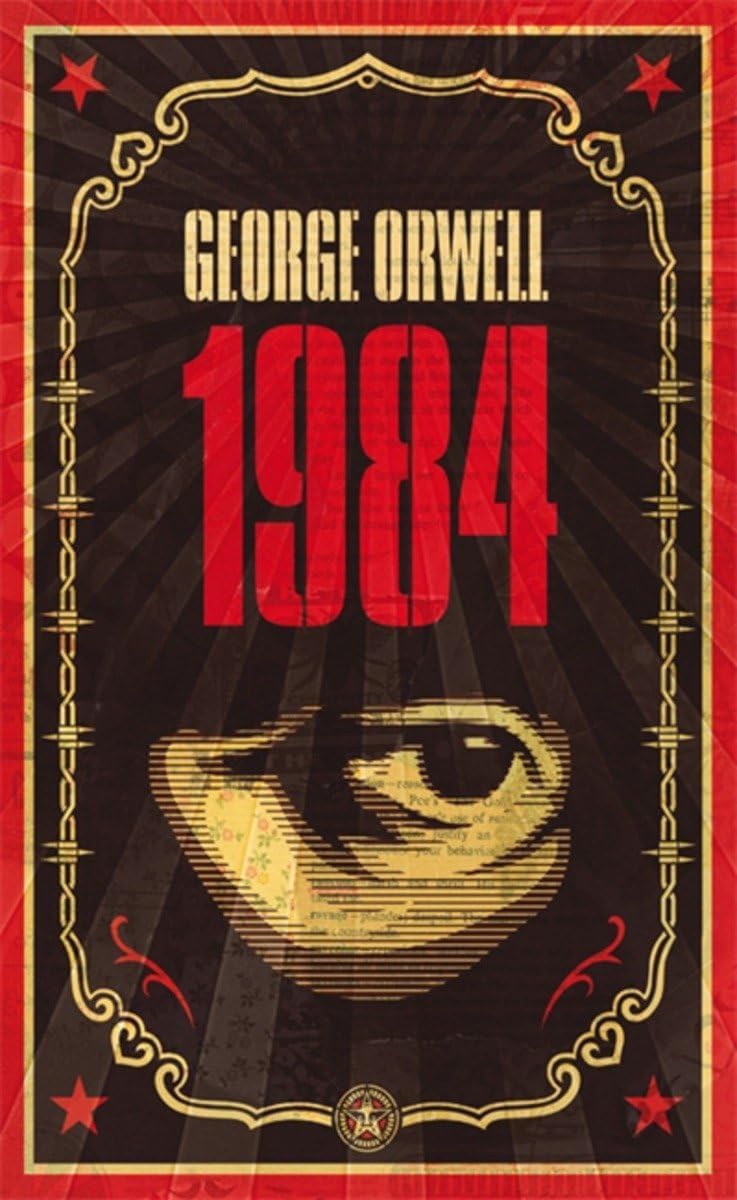
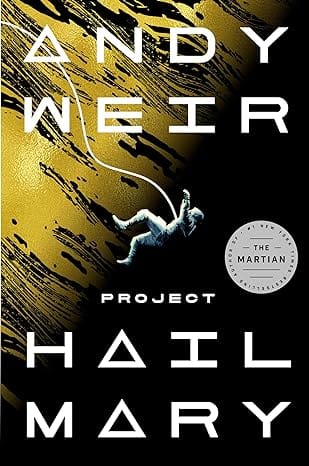
Examples: The Handmaid’s Tale, 1984, Project Hail Mary
The Benefits of Reading Multiple Books at Once Instead of Just One
Reading multiple books at a time helps you remember more from what you read
Now, unlike before when I was reading only one book at a time, my mind is in sync with the type of book I’m reading.
Following this three-book system for more than two years, what I realized is that not only did the number of books I read per year increase, but also, more importantly, I remember far more from the books I read.
This is because I’m not working against my own mind.
Consequently, I was able to bring back the joy of reading books, but now also with a lot more books under my belt.
Even the hardest books to read become enjoyable reads
One of the best outcomes of a system like this is that you get to enjoy otherwise dull, boring, takes-forever-to-read books.
Because the mental load is being strategically spread among three books, even the hardest books start to feel like…just a book, and most importantly, it helps you enjoy them a lot more.
But this doesn’t mean they can be finished in a shorter time.
It just means the fiction book and the narrative non-fiction book will be there to balance the intensity of the demanding non-fiction book.
As a result, this system helped me read far more demanding books that I would’ve otherwise put down if I’d just tried to read them one at a time.
Reading more than one book helps you finish more books
Reading three books at the same time obviously means that it takes longer to finish one.
However, I find that because reading only one book at a time clashes with my mood, the likelihood of a book going on to my DNF shelf is much higher when I’m reading only one.
When I was only reading one, I didn’t realize that some of the books I put down weren’t necessarily bad, rather the times I chose to read the book weren’t aligned with my energy.
On the other hand, when I’m reading three books at the same time, I get to enjoy each and every one of them. In return, there’s a much bigger chance that I get to finish them.
Reading breeds more reading, like a domino effect, and it helps keep the reading habit alive.
Why I don’t Read More Than Three Books at Once
However, like I mentioned above, this three-book system is a byproduct of a lot of trial and error.
This post wouldn’t be complete if I didn’t talk about what didn’t work for me. I’ve already talked about my issues with reading just one. So the discussion about why one book failed is covered.
However, this immediately raises the question: why not more than three?
Well…I myself was asking the same question a couple of years ago and decided to put it to the test.
Right after I started reading more than one book, I hadn’t yet decided on exactly how many books I wanted to read at once. So, feeling so excited with this newfound way of reading and seeing the practical benefits, I wanted to go all in.
I started reading 6-8 books at once.
Moving from one book to another felt really good and liberating until I realized that I was putting down way more books than I was picking up.
This happened because of two reasons.
One, I wasn’t disciplined enough when making the decision to pick up another book while reading another. I’d just pick another one just because I could.
At the end of the day, I hadn’t read much of anything though I just had the feeling that I was reading a lot.
Second, too many books, especially from the same genre, like novels, can be so overwhelming to keep in mind and engage with at the same time. Instead of enjoying them, I slowly became overwhelmed by them.
As a result, I started to put down so many books. So trying to read more led me to actually read less.
This three-book system, on the other hand, holds me accountable. I know the novel I’m reading at the time, and the non-fiction books, so there’s less chance to get overwhelmed. And also, this helps me plan what comes next: if I finish the novel, I have a line of other novels I’m planning to read next. And this applies to the narrative non-fiction and fiction books as well.
Having been able to organize the books with a limited number of books I read lets me read more books than just picking up books left and right without any structure in mind.
Tools and Tips to Maximize Multi-Book Systems
Figure out what works for you
What’s discussed here is a personal reading system that works really well for me.
However, it doesn’t necessarily mean that it’ll work for you too. There’s always some trial and error when it comes to figuring out something like this.
What works depends on many things, including what type of job you’re doing and what free times are available to you, whether you’re a morning person or a night owl, what types of books you enjoy reading, and many more.
That said, the method I used to figure out what works best for me is to track my time. I’d use the timer on my watch, and from right after I wake up, I’d count the number of hours I work until I go to bed.
Doing this for a couple of weeks let me realize a couple of things: what times am I more productive, how many free hours do I have, what times do I have available on a typical day to slip in some reading, and most importantly, how’s my mood in the free times I have. This eventually let me figure out what books to read at what times.
Time blocking
Once this is figured out, and I know what times work for what type of books, instead of tracking the times I work, I shifted it into a time blocking system, where I have blocks of time that I can use to read.
These times are one hour in the morning, one hour after dinner, and 30 minutes or so before going to bed.
This is much more important than I thought before getting into the habit of doing it because optional habits never stick.
Once I got into the habit, and when it became a part of life, there was no need to track the time or keep track of the time block because reading, in itself, became enjoyable and I’d automatically pick up the book at the right time.
But when starting out, it’s best to stick with the time blocking.
Ad hoc changes
I’d only break this rule of reading three books at a time when one book is at its peak, or I’m at about 80% of reading it.
When this happens, I’d use all the reading time blocks to finish it with the momentum I’ve built up to that point.
I do this, especially with novels, because it’s much more enjoyable to immerse yourself in the story throughout the day while everything is coming together at the end.
Balancing between different formats
One of the biggest reasons why this three-book system works really well for me is because of the different formats I use to read different types of books.
For example, I always read the novel and the narrative non-fiction book on my Kindle, and the demanding non-fiction as a physical book.
If I tried to read physical books in my novel slot and narrative non-fiction slot, I wouldn’t have been able to read both the amount I read and also I wouldn’t be able to enjoy reading them.
And this is also true for the demanding fiction book, which is always a physical book.
The reason for sticking with these different formats is based on how I read these different types of books.
For example, I consider novels and narrative non-fiction books to be linear reads, that is, books that one can read from cover to cover.
On the other hand, the demanding fiction books are non-linear reads, meaning they’re consumed well when you go back and forth all the time between pages.
An e-reader is the best choice for linear reads, especially because I read both types in this category, novels and narrative non-fiction, in bed.
My e-reader of choice is Kindle. It allows me to read in the dark, highlight without a pen, and it’s much more accessible due to its lightweight design. This comes in really handy when reading in bed or on the go.
On the other hand, it’d be catastrophic if I tried to read a demanding non-fiction book on a Kindle because it’s really hard to go back and forth and take notes.
So for demanding non-fiction books, physical format is the best choice.
By choosing formats to be in sync with how I read helped me read comfortably, and therefore a lot more than if I just stuck with one format for everything.
Reading app for managing ‘books read’ and ‘to read’
One of the biggest advantages of having this kind of system is that it helps to have a clear idea of what to read next, which is, even to my own surprise, where I spend the most time wasting.
Because at any given time, I’m reading one novel, one narrative non-fiction, and one demanding non-fiction.
So if I know that the novel I’m reading is going to finish in the next couple of days, I’d look for the next novel to read, not the next book. And this applies to the other two types, too.
This narrowed-down selection helps to reduce the friction of choosing the next book.
However, it’s better to have several books lined up in all three schemes, so time spent on choosing becomes next to none.
This could be just a Google Docs file, a Notion template, or a list jotted down in any personal note-taking app.
However, I find it more convenient and more fun to hold myself accountable with the next books I’m going to read.
So, I chose Goodreads to store all the information of the books I’ve read and am going to read.
This way, it helps me share what I’m reading with other people while having a clear plan for what comes next.
My Personal Results and Lessons Learned
This system lets me read at least one book per week, that is 52 books a year
Last year, I was able to read 52 books by sticking with this system, that’s exactly one book per week.
Most importantly, I got to enjoy each and every book I read, while retaining most of the insights from all the books I read.
This three-book system balances reading experience
Now that the types of books I’m reading are clearly defined, I get to read and enjoy all sorts of books that I otherwise wouldn’t even pick up to read.
This in return allows me to consume and enjoy a well-balanced set of books.
What’s the best Kindle for bedtime reading?
I used a Kindle Paperwhite for almost six years, and then switched to the small, basic Kindle.
The difference in dimensions is quite minimal. I probably wouldn’t notice the dimensional difference if I were to see them separately.
However, at the end of the year, I’ve read ten times more books on my new, smaller Kindle compared to what I read on the Paperwhite.
One of the biggest reasons for this is this smaller, basic matcha Kindle fits in any pocket.
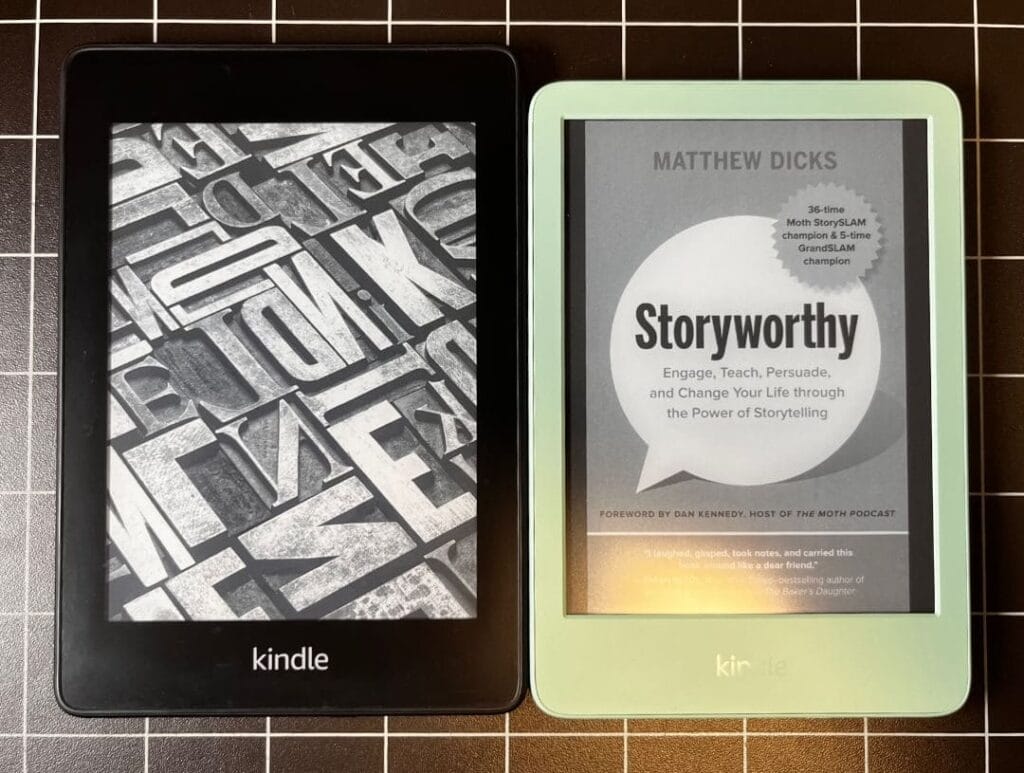
So I’d not only read in bed, but it’s so portable that I take it anywhere with me, taking five minutes here, ten minutes there, whatever free time I have to read.
That said, either of these Kindles are good for bedtime reading.
My Favorite Books from All Three Types
Here are some of my favorite books from all three types I’ve read last year. You can find their respective reviews by clicking on the link.
Fiction
Narrative Non-Fiction
Demanding Non-Fiction
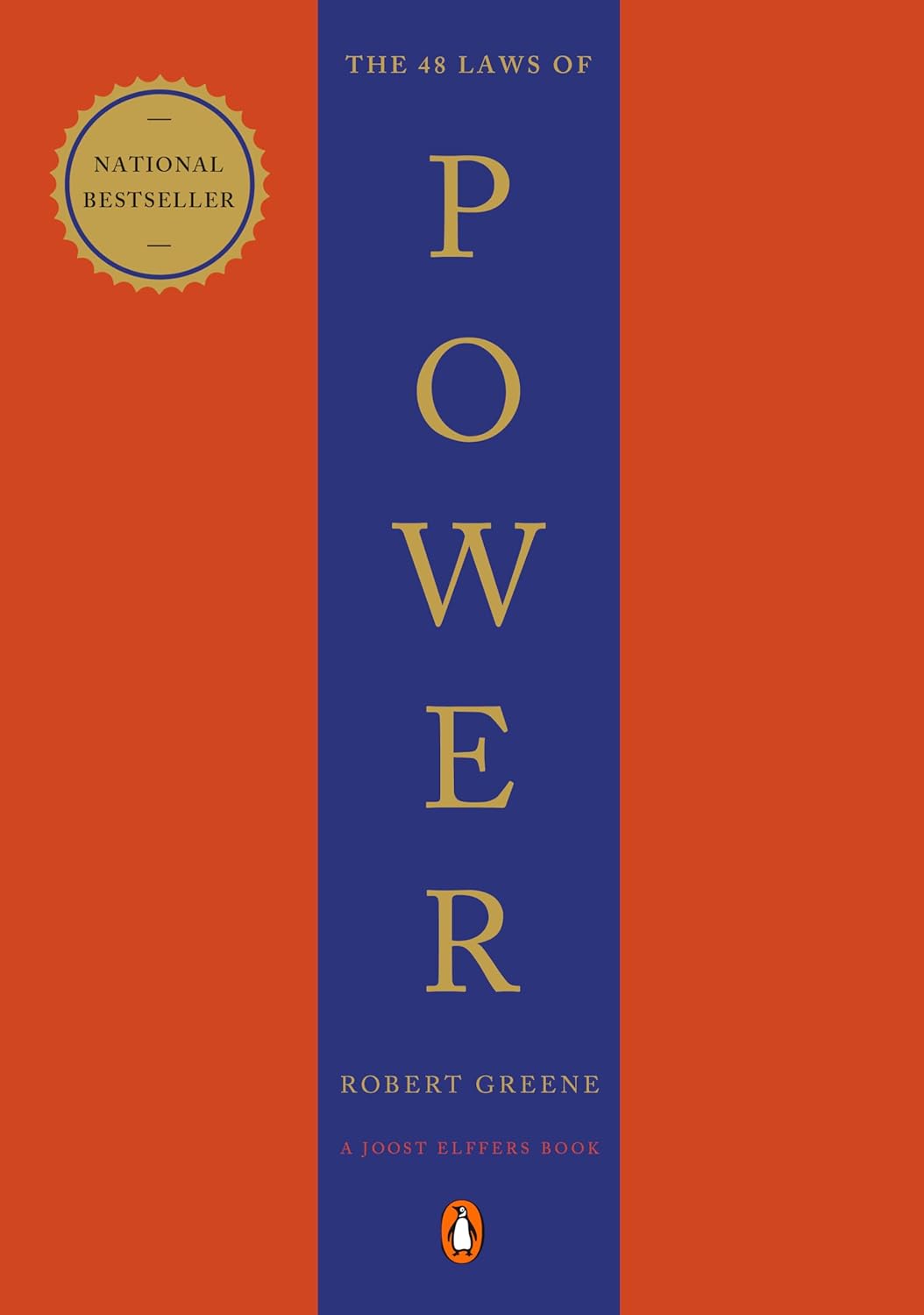
The 48 Laws of Power
Robert Greene
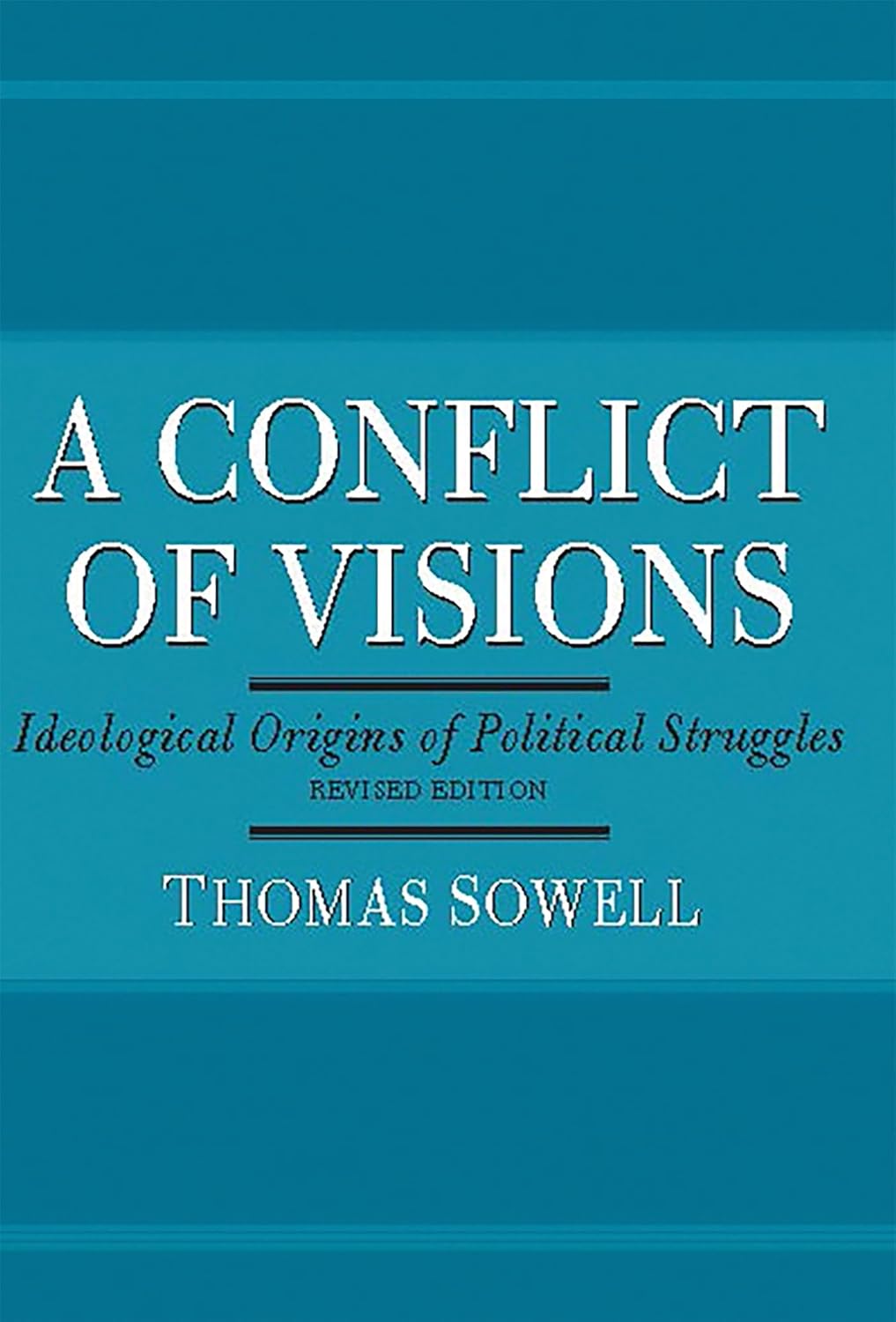
A Conflict of Visions
Thomas Sowell
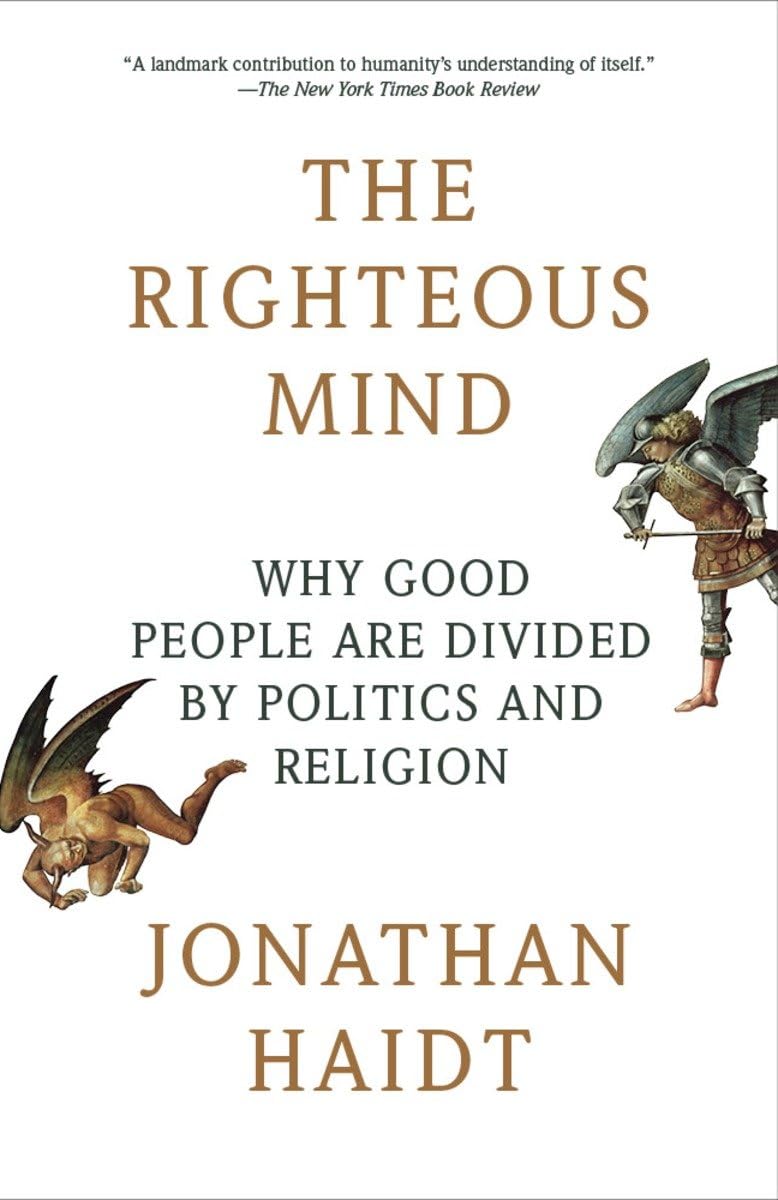
The Righteous Mind
Jonathan Haidt
Frequently Asked Questions
How many books should you read at once?
Many consistent readers read more than one book at a time.
That said, there’s no magic number.
The number of books you can read largely depends on how much free time you have and when in the day that free time is available to you.
However, reading different types of books, at least two, can be quite beneficial because different genres or difficulty levels reduce friction and make it easier to keep reading daily.
Is it bad to read multiple books at the same time?
No, for many people reading multiple books at the same time actually helps them read more.
One of the biggest reasons why reading multiple books is helpful to read more is because switching books based on mood or energy prevents forcing yourself through mental resistance, which is what often kills a reading habit.
Does reading more than one book slow you down or help you finish more books?
Even if it may take longer to finish one book, reading multiple books, especially different types of books like novels and non-fiction, helps reduce the mental load.
This, in return, allows you to finish more books without burnout, and most importantly helps you enjoy every one of them.
Slow is fast and fast is slow.
Why do so many readers read 3–5 books at once?
Our mood changes throughout the day due to biological rhythms and emotional shifts. With it, our attention span and reaction time change too.
These changes influence not just how well we read, but what kind of reading feels right at any given moment.
This is why reading many books, especially different types of books (novels, non-fiction), allows you to read more books.
It’s not a productivity hack, just alignment with how the brain works.
How do you keep track of multiple books without getting confused?
A Goodreads account, Notion database, or even a simple Google Docs file are all good options to keep track of multiple books.
However, a social platform like Goodreads is much more convenient as not only does it have a good tag and folder system to categorize books, but it also makes it more enjoyable to share what you’re reading with other people.
Should fiction and nonfiction be read at different times of day?
Yes, a novel works best when the energy is low and when the mind is winding down.
Non-fiction works best when we have the highest alertness and attention, preferably in the morning.
This aligns with research on circadian rhythms and cognitive performance.
Choosing the right book for the right time makes reading feel effortless.
Is it better to read one book at a time for focus?
Not necessarily.
For some readers, yes, especially with dense or highly technical demanding non-fiction books.
But for most who read daily, reading only one book creates mental fatigue. This is because our mood shifts during the day.
Reading books becomes much more enjoyable and also productive when the book matches your mental state.
Reading a dense non-fiction book late at night, when focus is fading, isn’t as productive, or enjoyable, as reading a novel that demands less mental energy. The same goes for the reverse: reading light fiction during sharp morning hours feels like a waste.
What’s the best system for reading multiple books at once?
The most sustainable systems limit the number of active books and clearly define their role.
A simple, effective system, that I call the three-book system, is one fiction, one narrative non-fiction, and one demanding non-fiction.
This structure prevents reading burnout and lets you enjoy every book you read.
Does mood really affect what kind of book you should read?
Yes, our mood changes throughout the day due to biological rhythms and emotional shifts. With it, our attention span and reaction time change too.
These changes influence not just how well we read, but what kind of reading feels right at any given moment.
How can I read more books without burning out?
Enjoying whatever you read is the fastest path to reading more books.
But in order to enjoy every book we read, first it’s important to understand that our mood changes throughout the day due to biological rhythms and emotional shifts. With it, our attention span and reaction time change too.
So reading becomes much more enjoyable and productive when we pick different types of books at different times of day (novels at night and non-fiction in the morning).