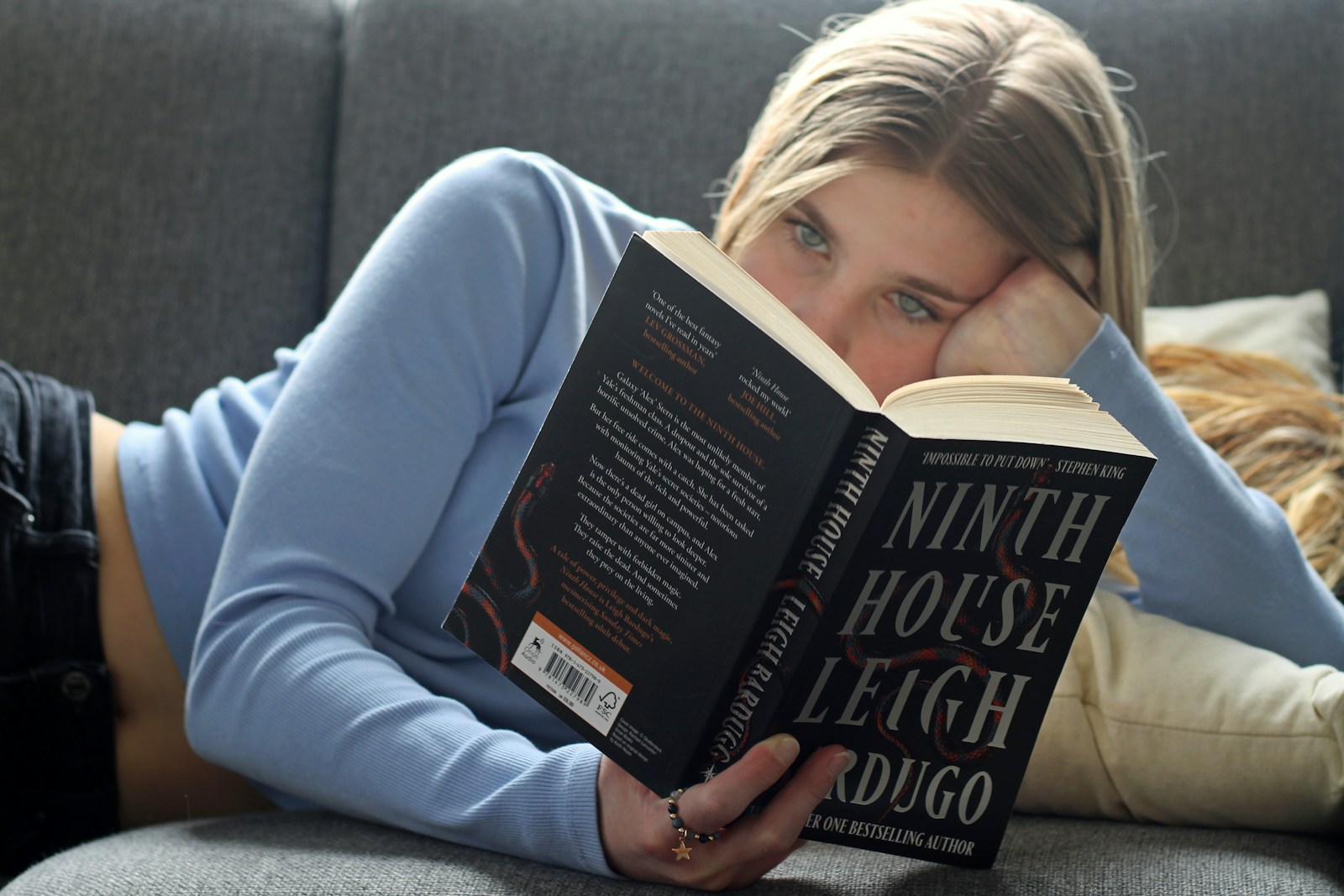
Is fiction really dead?
It sure seems that way. Everybody wants to read non-fiction these days. And, it makes sense, too.
For a long time, my reading list followed the same pattern. My twenties were mostly non-fiction. But it didn’t start that way. When I was around fourteen, I read Pride and Prejudice by Jane Austen. I still find myself returning to that story in my mind. The scenes look different now, the characters feel different, because over the years, the story has merged with my own experiences, evolving and growing with me like a never-ending movie.
The version that plays in my mind is too vivid, too personal that I never even bothered to watch the movie adaptation.
But over the years, even with such an intense fiction-filled reading background, I drifted away from fiction and fully embraced non-fiction. I wanted to learn more things. It wasn’t just me. Everyone else was moving in that same direction.
Data from Penguin Random House shows that 2013 was the last year adult fiction outperformed non-fiction in revenue. By 2017, non-fiction was ahead by 1.8 billion dollars. You can see this shift everywhere. The self-help industry alone has exploded in recent years. The market for self-improvement products and services reached $59.22 billion in 2024, and it’s expected to grow to $88.36 billion by 2029 at a CAGR of 8.2%.
We’re all seeking help. And non-fiction, filled with facts, strategies, and clear instructions, feels like the perfect choice.
But is it really?
It’s easy to miss the fact that the world around us changes with us. We read non-fiction to find solutions, but by the time we reach the last page, the question has already changed. That means we need to learn not just the instructions, but how to use them when things aren’t going according to plan.
Can fiction help us in those unpredictable situations?
Key Takeaways:
1
Learning isn’t just about absorbing knowledge, but also about how to use that knowledge in real life.
2
Novels help you become someone who sees differently, feels more deeply, and acts more wisely.
3
When you invite fiction into your reading habits, you tap into growth that nonfiction alone cannot ever reach.
What do we do when the instruction manual goes missing?
Reading non-fiction is more like reading an instruction manual. But sometimes, life doesn’t follow the manual. It takes unanticipated turns. A good example of this comes from the movie How to Train Your Dragon (2010). There’s a moment when Hiccup and Toothless set out for a training day. “Okay there, bud,” Hiccup says, “we are going to take this nice and slow.”
That’s the plan: clear, calm and straightforward.
But nothing about what follows goes according to the plan.
The first maneuver goes fine. The second is easy too. But then comes “position three”—and everything goes horribly wrong. Hiccup loses his instruction card mid-air, and suddenly they’re both out of control, crashing to the ground. All those carefully thought-out directions are gone, and he wasn’t prepared for a situation this intense and unpredictable.
Finally, he manages to grab the instruction card, glances at it for a second, and throws it away. This is no longer training. This is the real thing. He can’t practice one maneuver at a time; he has to use them all at once, not to rehearse, but to survive.
The lesson is clear: knowledge alone isn’t enough when life throws curveballs. Just having instructions won’t carry you through the unexpected.
Why knowledge is not enough?
Non-fiction gives you the instructions, the theory, the guidance. But when reality shifts, when things aren’t going according to plan, knowledge alone isn’t enough.
So what are we missing? How did Hiccup manage to navigate though unexpected chaos?
He needed perspective, intuition, and creativity to handle the unexpected. Fiction helps to build this.
That’s how you navigate surprises, turn them into opportunities, and come out wiser and more capable each time.
Fiction provides the glue that holds all the techniques you learn from non-fiction together, turning them into something you can actually use in real life.
As Alfred Korzybski said, “The map is not the territory.” In simpler terms: the instructions, the plan, the guide, isn’t the real thing. It’s just a representation. Reality is messy, unpredictable, and full of surprises. No map can capture that. Fiction trains you to navigate that messy, unpredictable reality.
Non-fiction gives you what happened, what works, and what to think. It assumes all you need is data, logic, and strategy.
But we’re not just logic machines. We’re meaning-makers, storytellers, social beings. Without stories and the chance to step into other people’s lives, we risk narrow perspectives, burnout, and losing touch with empathy.
Fiction, on the other hand, lets us try on other minds, other experiences. That’s something non-fiction rarely does.
This is why fiction matters more than we think.
For example, there’s a conversation between the podcaster Lex Fridman and clinical psychologist Jordan Peterson where they talk about how much farther a novelist can reach compared to a philosopher. It’s a great reminder of how fiction teaches us not just to know, but to understand and relate.
JP: Dostoevsky’s deeper than Nietzsche, but that’s because he was a writer of fiction.
Lex: Nietzsche is almost a character in a Dostoevsky novel.
JP: Yes, he is definitely that.
JP: But the thing that Dostoevsky had over Nietzsche is that Nietzsche had to make things propositional in some real sense because he was a philosopher. And it’s hard to propositionalize things that are outside your ken. But you can characterize them.
So in The Brothers Karamazov, Ivan is a more developed character than Alyosha in the explicit sense. He can make better arguments.
But Alyosha wins, like Myshkin, because he’s the better man. And Dostoevsky can show that in the actions rather than render it entirely propositional.
What’s good can’t be rendered entirely propositional. Dostoevsky had that edge over Nietzsche.
The forgotten power of fiction
But how and why does fiction cultivate intuition, empathy, and imagination in ways non-fiction cannot?
Let’s do a quick thought experiment. Imagine a 70-year-old scientist who worked in economics from college until she retired. Suppose she decides to write a book summarizing her findings. Forty years of work, done twelve hours a day, amounts to roughly 20 years of continuous effort. That’s an extraordinary amount of focus and discipline. And if she’s a good writer, the book will have real impact.
Now imagine the same person decides to write a novel at the same age. How long has she been “working on” this novel, compared to her economics book? The math is simple. Subtract the years she wasn’t awake during her seventy-year life. Seventy years is 25,550 days. Remove sleep, assume eight hours a night, and she has lived 408,800 awake hours, which is roughly 47 years of continuous, conscious time.
That’s forty-seven years of experience, memory, emotion, relationships, failures, mistakes, joys, and the internal life she’s built, including all the knowledge and reasoning developed through her economics career, condensed into a couple of hundred pages.
This is why, in the most profound sense, novels are “generous time machines”. They allow us to walk through someone else’s entire life, learn their lessons, and feel their experiences in just a matter of hours.
And this is why fiction holds a supreme power in the fiction vs. non-fiction debate. Non-fiction can capture someone’s life’s work, but fiction captures how someone approached life; the choices, the emotions and the messiness of existence.
Fiction lets us inhabit a mind, not just absorb facts.
When Pablo Picasso was an old man, he was sitting in a café in Spain, doodling on a used napkin.
A woman sitting near him was looking on in awe. After a few moments, Picasso finished his coffee and crumpled up the napkin to throw away as he left.
The woman stopped him. “Wait,” she said. “Can I have that napkin you were just drawing on? I’ll pay you for it.”
“Sure,” Picasso replied. “Twenty thousand dollars.”
The woman’s head jolted back as if he had just flung a brick at her. “What? It took you like two minutes to draw that.”
“No, ma’am,” Picasso said. “It took me over sixty years to draw this.” He stuffed the napkin in his pocket and walked out of the café.
(Retold in Mark Manson’s The Subtle Art of Not Giving a F*ck.)
Fiction is more impactful than non-fiction
Fiction gives us a unique kind of insight: it helps us put ourselves in other people’s shoes, letting their experiences play out in our minds.
When we step into the shoes of someone who has already walked the path we want to take, seeing how they faced unexpected challenges, this is far more useful than simply knowing the map they followed.
Put another way, fiction teaches us not just what happened, but how to navigate life’s unpredictability.
So how does fiction do this? Let’s take a closer look.
Fiction enables ‘theory of mind’
Theory of Mind is our ability to understand that other people have beliefs, desires, and perspectives that may be different from our own. It’s the mental skill that lets us step outside ourselves and imagine the world through someone else’s eyes.
Research shows that literary fiction, stories that focus deeply on characters’ inner thoughts and feelings can strengthen these Theory of Mind processes. By putting ourselves in a character’s mind, we practice understanding and simulating the emotions and motivations of others.
Bottom line: fiction doesn’t just entertain. It trains our brains to better understand the minds of others.
Fiction enables ‘narrative memory’
We absorb a lot of information about the world through texts, which can be divided into two genres: narratives and exposition. Stories and essays are different in structure and content.
Do we absorb knowledge more from narratives or expositions?
One study shows that, drawing from over 75 unique samples and more than 33,000 participants, stories are easier to understand and better recalled than essays.
Also, this effect was robust. It wasn’t driven by any single study or effect size, and it held across different study characteristics.
Bottom line: If you want information to stick, framing it as a story is far more effective than presenting it as plain exposition.
Fiction triggers ’emotion’
This narrative-driven nature of fiction does something else, too. When you’re wrapped up in a narrative, your attention, emotions, and imagination all lock onto the story at the same time; a state psychologists call narrative transportation. Once you’re in that state, your brain treats the events almost as if they’re happening to you.
That’s why fiction hits harder than facts. You feel what the characters feel. You imagine what they see. Your own memories and experiences naturally mix with the story, making the lessons stick in a way pure information never does.
Scientists can even track this. Heart rate changes, brain activation in empathy and social-cognition networks, and shifts in attention during suspense all show the same thing: when a story grabs you emotionally, it also rewires you cognitively.
Bottom line: Fiction is much more impactful because it combines emotion + cognition.
Fiction stimulates ‘imagination’
When we read fiction, our brains do more than just process words. They run a full simulation.
From a memory and cognitive-projection perspective, research on autofiction (fiction that blends memory with imagination) shows that reading changes how we think about what’s possible, not just what’s real. Fiction stretches our mental maps, helping us explore alternative scenarios, look for potential futures, and discover new ways to solve problems.
Bottom line: fiction does more than entertain. It stimulates your imagination, trains your mind to simulate “what if,” and helps you see potential rather than just react to the problems in front of you.
But this doesn’t mean that non-fiction is rubbish
The argument here isn’t that we don’t need non-fiction at all. Knowledge is important, but it’s not enough on its own.
In fact, reading only fiction, especially some of the newer books written purely for a dopamine hit, is probably not going to help much. If fiction is a nutritious drink, non-fiction is the cup that holds that drink, giving it shape, helping us take it in.
The instruction manual(non-fiction) defines boundaries and keeps us from going astray. It gives us the tools and framework to navigate life safely. But when we combine that knowledge with perspective, intuition, and creativity; when we pair non-fiction with fiction, we create a solid framework to move forward.
“I’m not trying to tell you,” he said, “that only educated and scholarly men are able to contribute something valuable to the world. It’s not so. But I do say that educated and scholarly men, if they’re brilliant and creative to begin with—which, unfortunately, is rarely the case—tend to leave infinitely more valuable records behind them than men do who are merely brilliant and creative. (Page 97)
How to rebalance your reading to get the best of fiction and non-fiction
So, what’s the best way to combine fiction and non-fiction in your reading? There are many approaches, but here’s what worked for me when I was getting back into reading more fiction while balancing it with non-fiction:
Step 1: Start with a fiction book you enjoy. As a rule, I only pick something that I want to read, or even a book that I’ve read many times and still like returning to.
Step 2: Read at least two books at a time. I balance one fiction book with one non-fiction book. I usually read non-fiction early in the morning and fiction late at night. The only time I break this routine is when I’m 70–80% done with one of the books. Then, I focus on that book alone, reading it both morning and evening to give it my full attention.
Step 3: Engage with the book. I create a discussion around the book while I’m reading it and take notes when necessary.
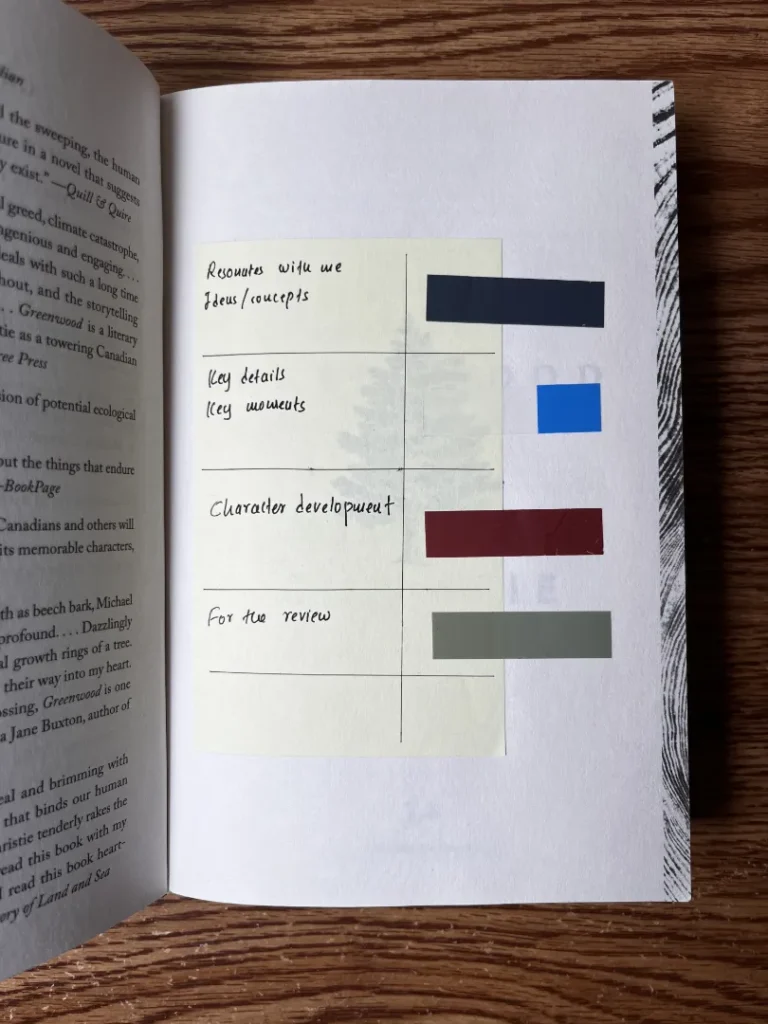
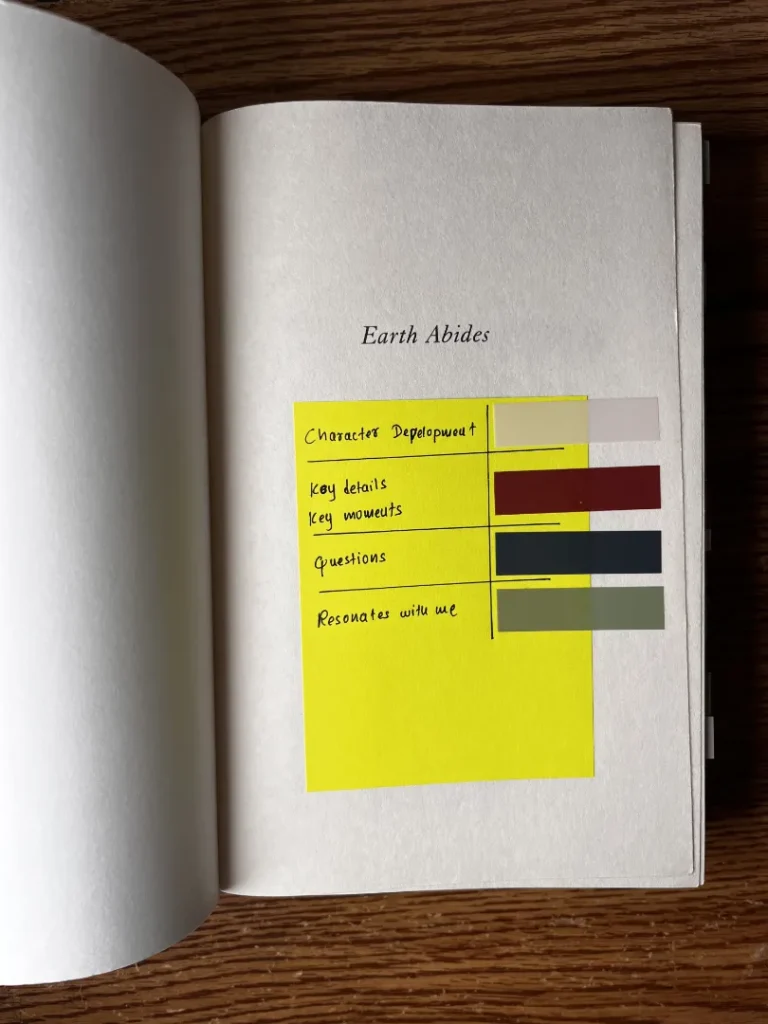
Creating a discussion with a book while reading it is one of the best ways to not only enjoy a novel but also learn a great deal from it
Step 4: Make connections. I look for links between the books I’ve read over the years, both fiction and non-fiction. For example, I might connect a concept from a non-fiction book to a story from a fiction book. That’s really the point of this approach: combining fiction and non-fiction gives me a complete picture. For example, the non-fiction book Conflict of Visions by Thomas Sowell discusses two main worldviews, and those same worldviews are perfectly captured in the fiction books Brave New World by Aldous Huxley and The Handmaid’s Tale by Margaret Atwood.
Step 5: Write a review. I keep myself accountable by sharing my thoughts online. This helps me really understand what I’m reading and stay consistent.
But what if the fiction books you pick up aren’t the ones you think will “help” you in any way? What if you want to read more “serious” fiction?
The best way to bridge the gap between what you enjoy and what you want to read is by creating a reliable reading habit. And the only way to build that habit is to start with books you actually like.
Reading books just for the sake of it won’t work. Besides, what’s the point of reading a book if you’re not enjoying it? That’s why starting with fiction you love is so important. Over time, as the habit becomes part of your daily life, you’ll naturally gravitate toward harder fiction, and even challenging non-fiction.
But now things are different. You’re not reading hard fiction because you have to. You’re reading it because you want to.
Conclusion
So the help we’re looking for isn’t found in non-fiction alone, even though it might seem obvious to think so. It’s found in both fiction and non-fiction.
It’s easy to think that non-fiction holds the answers to all our life problems, but knowledge alone isn’t enough. It’s best bolstered up by fiction because, without perspective, intuition, and creativity, knowledge can only take us so far.
In other words, it’s helpful to have our instruction manual ready, but we’re better off pairing it with imagination and insight, so we know what to do when reality refuses to follow the rules.
My favourite fiction books
All that said, if you’re looking to expand your reading into fiction, here are some of my favourite novels.
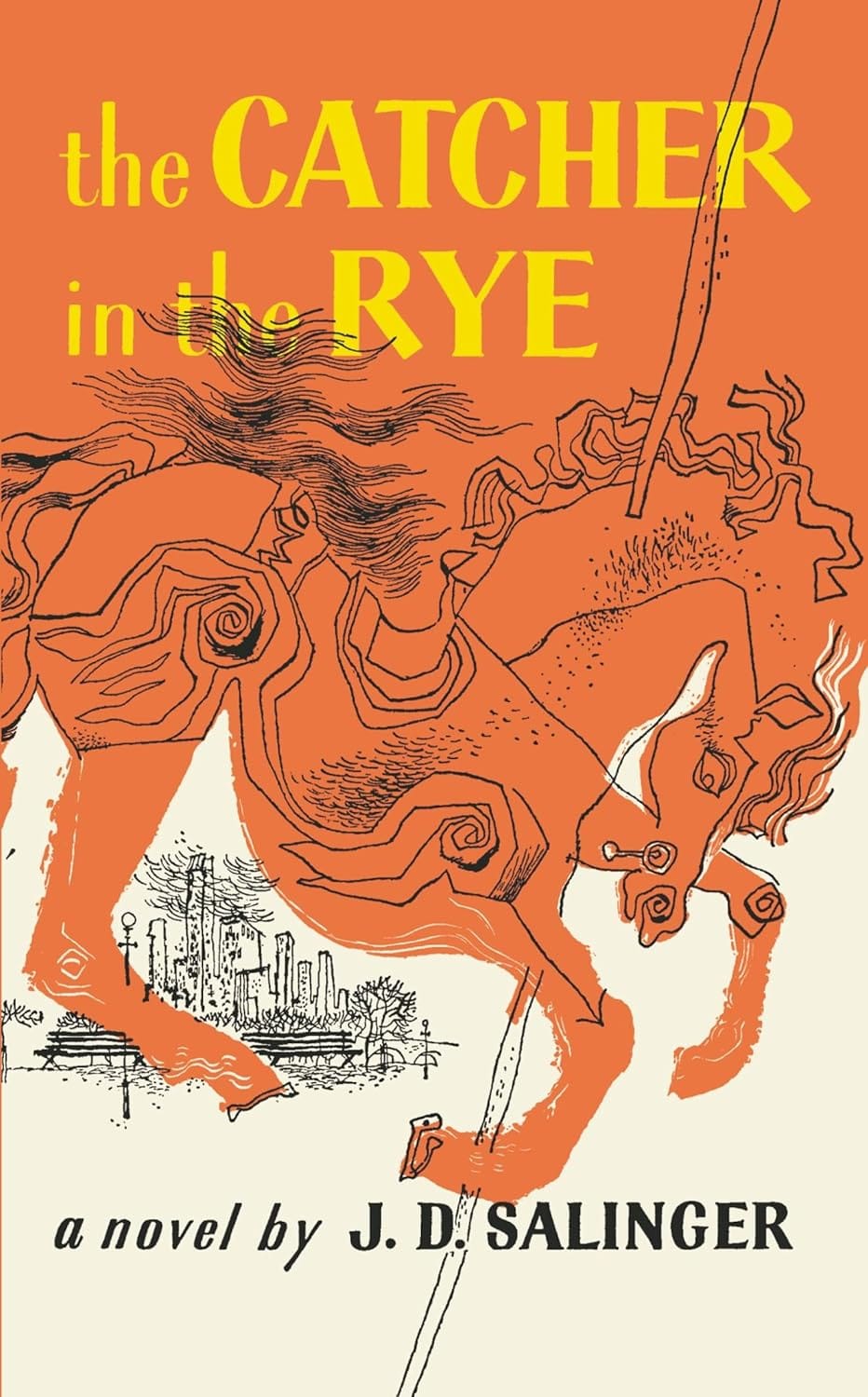
The Catcher in the Rye
J. D. Salinger
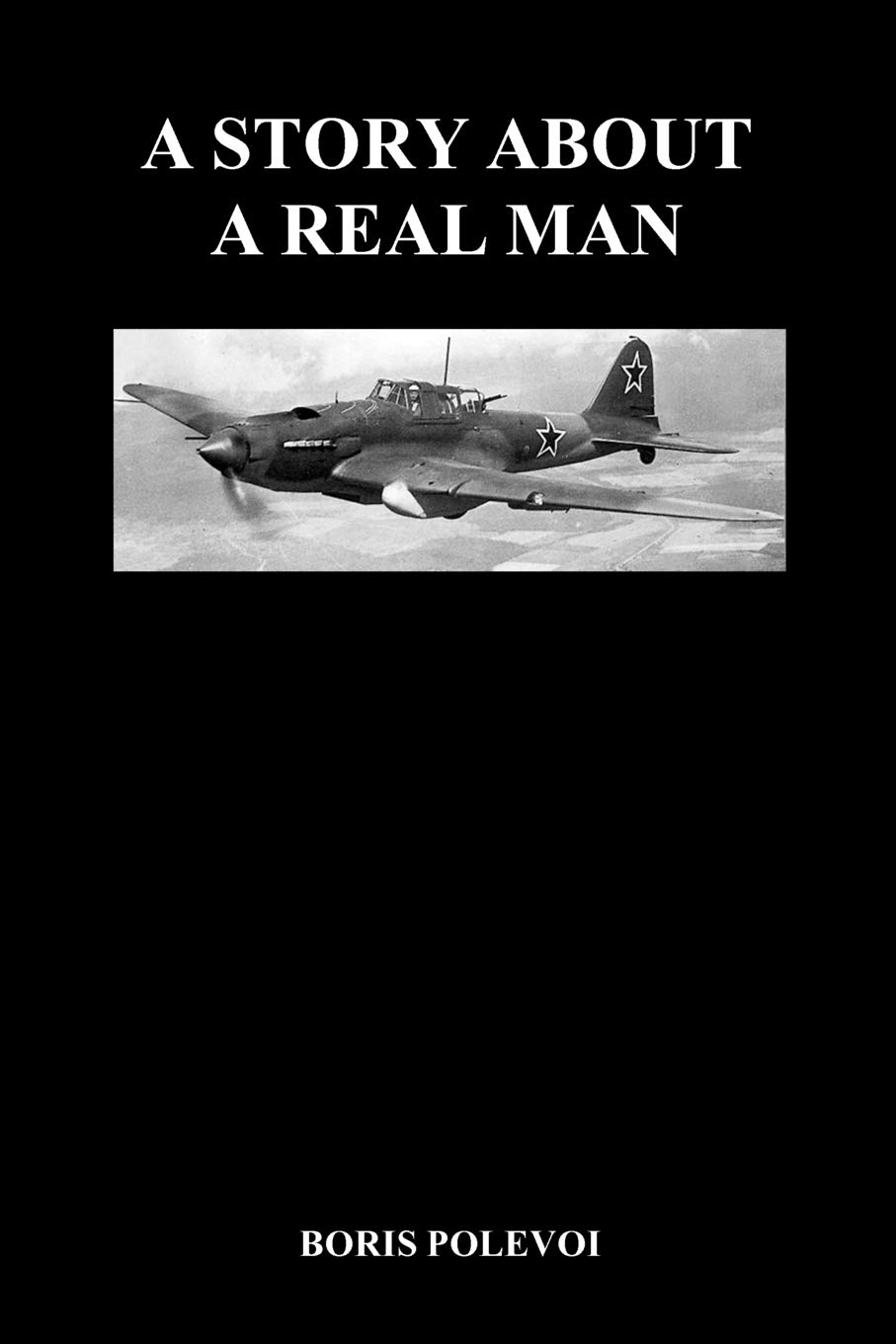
A Story about a Real Man
Boris Polevoy
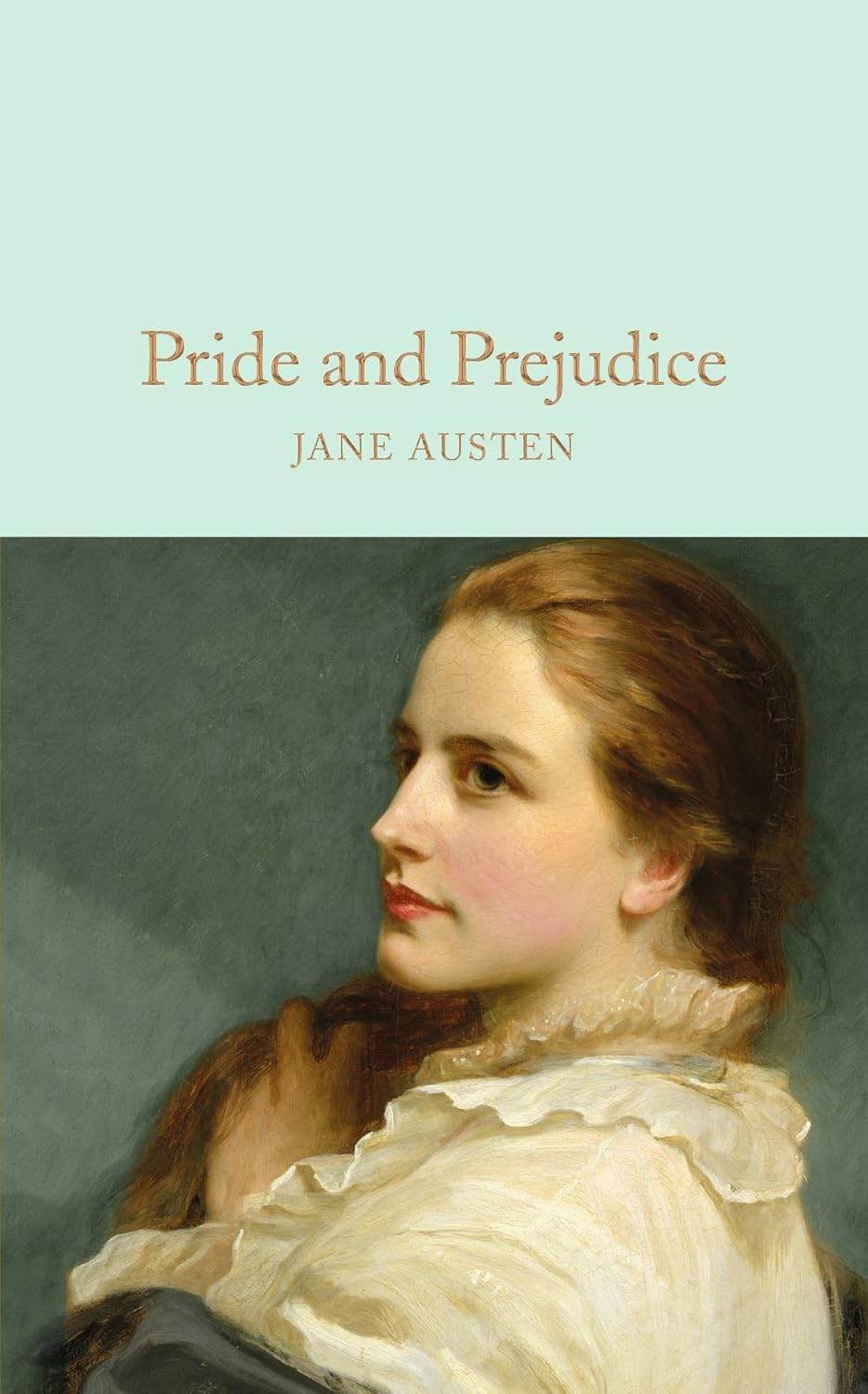
Pride and Prejudice
Jane Austen
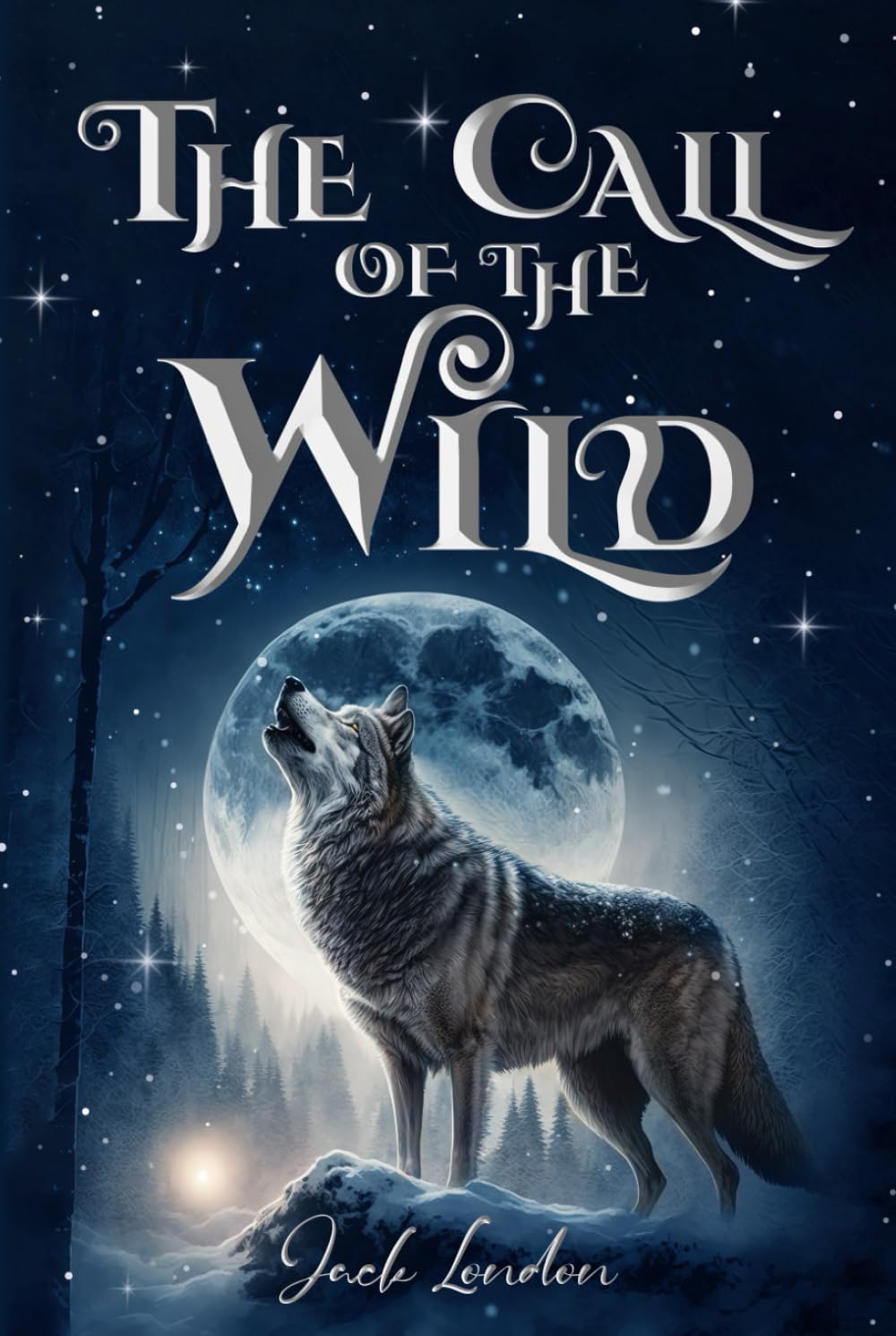
The Call of the Wild
Jack London
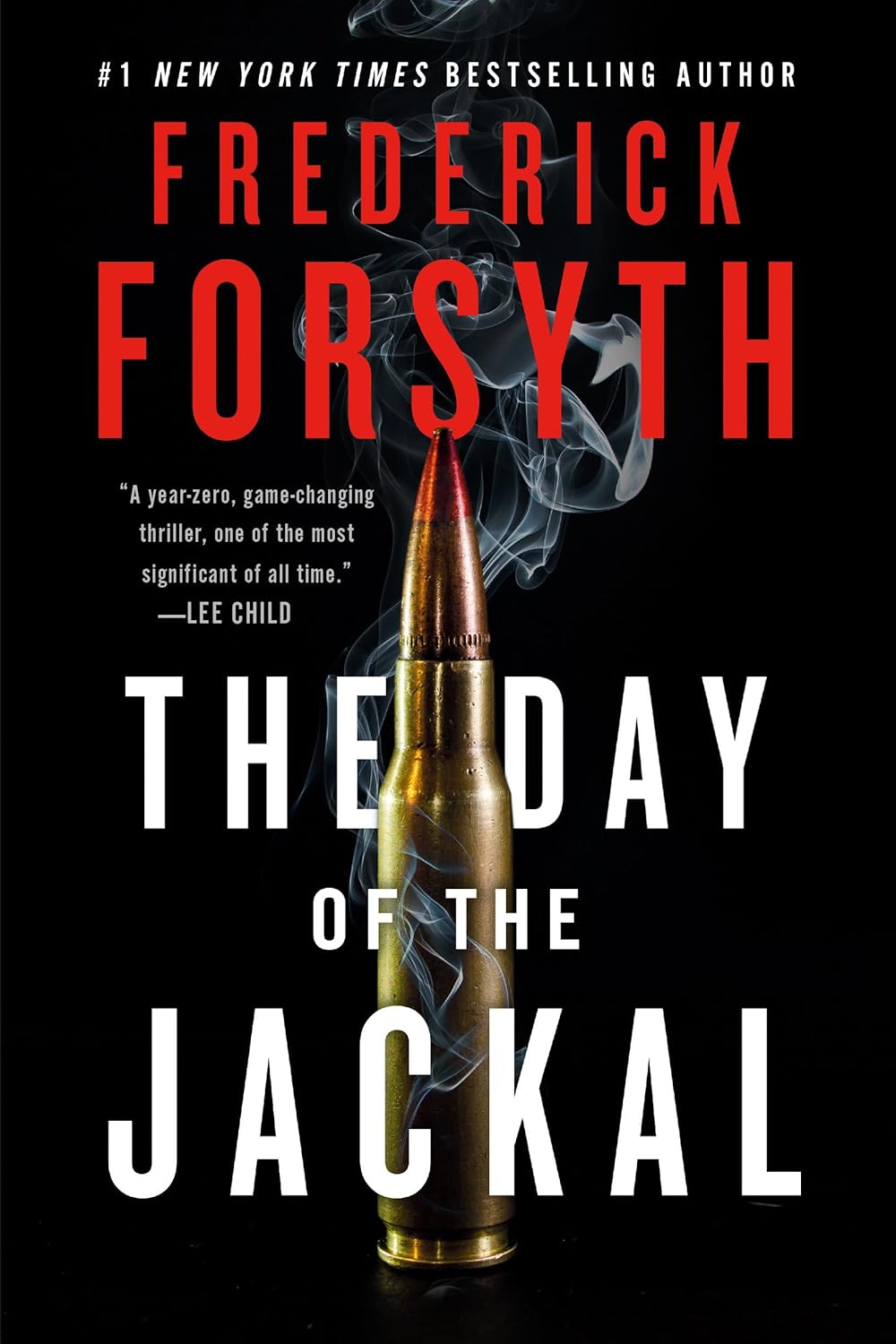
The Day of the Jackal
Frederick Forsyth
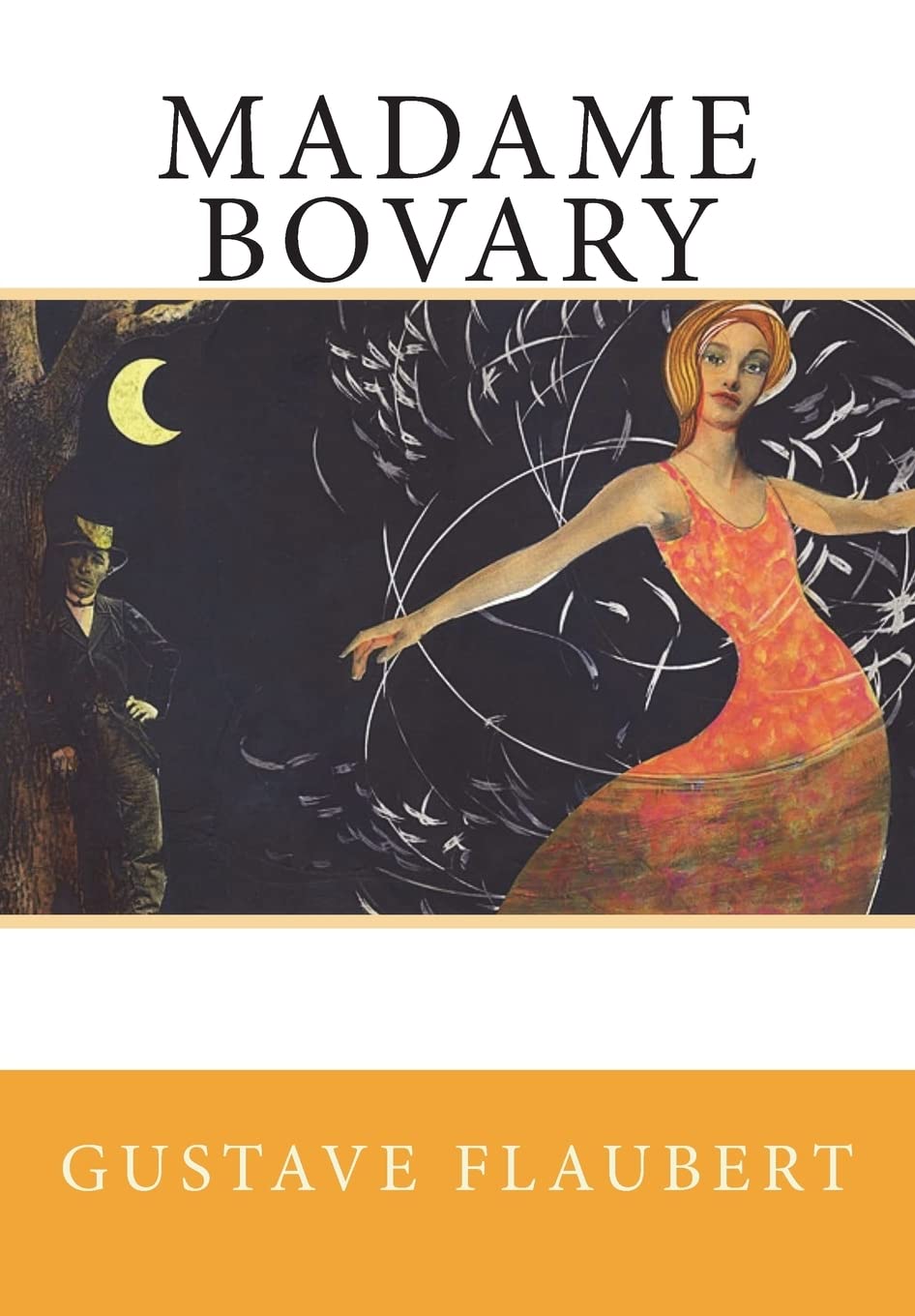
Madame Bovary
Gustave Flaubert
Frequently Asked Questions
Why is reading a novel sometimes more beneficial than reading nonfiction?
Non-fiction gives you the facts, but fiction gives you the intuition to use those facts in real life.
There are a number of studies supporting this. One, for example, shows that reading fiction improves social-cognitive abilities in ways that non-fiction simply cannot.
How does reading fiction improve empathy and understanding of others?
Reading fiction lets you step into the shoes of other people and see the world through their eyes.
In other words, it de-centers you; even allowing you to see yourself from another perspective.
This, in turn, helps you understand other people’s struggles, making you both more empathetic and wiser.
Does reading nonfiction give more “real world” value than fiction? Or is fiction equally valuable?
Reading only non-fiction doesn’t necessarily give you real-world value.
Non-fiction is like reading an instruction manual; you learn facts, insights, and theories. But that alone doesn’t guarantee success when you actually put your foot forward and try them out in the real world.
What’s missing are perspective, intuition, and creativity. And that’s exactly what fiction provides.
Bottom line: real-world value comes from blending both fiction and non-fiction, not relying on just one genre alone.
How should I balance my reading between fiction and nonfiction to get the most benefit?
Reading non-fiction gives you the facts, while fiction teaches you how to use them in real life.
That’s why it’s important to strike a balance between these two genres when reading.
One practical approach is to read two books at a time. One fiction and one non-fiction.
A reliable way to do this is to read non-fiction in the morning and fiction before bed. This routine helps you absorb knowledge while also exercising perspective, intuition, and imagination.
Can a novel teach me something nonfiction can’t? If so, what kinds of things?
Yes, a novel, or any fiction book, in a broader sense teaches us how to navigate life, while non-fiction shows us where the optimum resting points are along that journey.
In other words, non-fiction gives us the facts, but novels show how people tackle real-world challenges using those facts.
You learn how people reacted to the world, what worked, and what didn’t. And it doesn’t matter if it’s science fiction; any fiction, written by an author, reflects a unique perspective on life that we can learn from.
If I only have limited time to read, is fiction the better choice, or should I focus on nonfiction?
Alternating between the two genres offers far more benefits than sticking to just one.
Of course, this depends on your goal for reading. If you aim to learn something, alternating between fiction and non-fiction is the best approach.
If you’re looking for an escape, using small pockets of time to read fiction is ideal. In that case, you not only enjoy the story but also end up learning something along the way.
How does reading fiction affect creativity, imagination, and thinking differently compared to nonfiction?
A novel puts us in the shoes of someone else.
It allows us to see both others and ourselves from a third-person perspective. For those few hours we spend with a story, we think like someone else, share their happiness, struggles, and fears as if they were our own.
We solve the characters’ problems, often thinking several pages ahead to figure out the best course of action.
The act of reading a novel is a humbling experience. It cultivates empathy.
And this process doesn’t stay on the page. It ultimately helps us make better decisions in our own lives.
Are there types of nonfiction that offer the same benefits as fiction? Or is fiction unique?
What fiction offers that non-fiction cannot are perspective, intuition, and creativity.
Some non-fiction, like biographies or books based on true events, reads like fiction. Certain titles in this category are almost indistinguishable from a story, drawing you in with narrative flow.
These types of books act as a bridge between knowledge and the perspective, intuition, and creativity that fiction develops. You see how people reacted to whatever life threw at them, which teaches lessons that pure facts alone cannot.
A great example of this narrative-driven non-fiction is any book by Robert Kurson.
How do I choose “good” fiction that will truly add value (rather than just being entertainment)?
Any experience, even reading the silliest book, adds value to our lives, whether we realize it or not!
That said, reading books just because we feel we have to won’t help us achieve the outcome we want, which is to actually learn something. We might start a book to gain knowledge, but we can only absorb it if we enjoy the reading process.
The best way to solve this is to bridge the gap between what we like to read and what we want to read. The most reliable solution is to start with books you genuinely enjoy, building momentum and creating a sustainable reading habit.
Once this habit is in place, it effectively closes the gap between preference and aspiration. When that happens, you’re ready to tackle any book.
