
One-line takeaway
A family saga of struggle, heartbreak, and the slow erosion of self-worth in the face of an unjust caste order.
At a glance
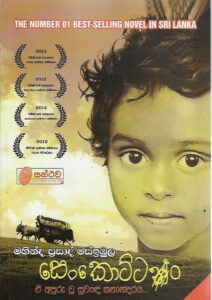
Senkottan (සෙංකොට්ටං) is a Sinhala novel by Mahinda Prasad Masimbula, first published in 2012. Set in the Sabaragamuwa highlands of southwest Sri Lanka, it spans from the 1930s into contemporary Sri Lankan life, tracing the social and psychological struggles of people shaped by an unjust caste order.
The story centers on a boy named Baba Henaya, who belongs to the Radaa caste, one of the lowest in the entire caste system of the time. The Radaa’s primary role is washing the clothes of those in the castes above them.
Baba Henaya lives with his grandfather Weerappuli Henaya, his grandmother Wansa Ridee, his mother Podina, his mother’s husband Nambu Henaya, and his aunt Heen Ridee, all under one roof.
The caste system engraves its hierarchy into their very identity through the surname. Men carry the surname Henaya. Women carry Ridee. Even the names themselves are holding them back from becoming more than who they are.
The story follows Baba Henaya from early childhood into his later years, illustrating the continuous struggle, the heartbreaks, the slow erosion of self-worth, the weight of inherited fate, and what it means to live in a caste that is pre-destined to cleanse the filth of society, both figuratively and literally.
Book details
Title: Senkottan (සෙංකොට්ටං)
Author: Mahinda Prasad Masimbula
First published: 2012
Length: 162 pages
Awards: State Literary Award for Best Sinhala Novel, Godage Literary Award for Best Novel, Vidyodaya Literary Award for Best Novel, Shortlisted / nominated for the Swarna Pusthaka Award
A complaint
When I first read this book, I made a deal with myself never to read it again. And evidently, I failed, again, for the third time.
Here’s why I decided to never read this book again, and yet, why I continue to fail to do so.
First of all, the ending of the story is unbearable.
But, most of all, this book ruined all other Sinhala literature for me. Everything else seemed insipid afterwards. Some books come close, but for me, no other book can possibly compete with this masterpiece.
Mahinda Prasad Masimbula, the author of this debut novel, told a reporter that all of his colleagues had told him not to write again, because they believed that even he would never be able to better his own novel. Fortunately for all of us Sinhala readers, by writing such good books that come very close to this pinnacle of a novel, he continues to prove his colleagues wrong.
Despite all of my efforts to not read this book again, I always come back, because even though I would rather not freshen my memory of it, it is impossible to ignore the profundity of the artform with which he painted such disturbing scenes.
The above is not a review, but rather a complaint in its highest respectful form. The review is written in the same language as the book, for you must use a diamond to cut a diamond.
The review
මිනිස් වර්ගයාගෙන් බිහි වූ අන් සුසුම් සහ නෙක හැගුම් ද අතුරුදන් ව ගියා නො වේ. සොබාදහම ඒවා සියල්ල එක්කාසු කරගෙන ඉන්නවා විය යුතු ය.
අප වයසින් වැඩෙන්නට වැඩෙන්නට, උසස් කලාකෘතියකට අප විසින් තබන මිනුම් දණ්ඩද එපමන අගයකින්ම ඉහල යන බව නොසැකයකි. කෙසේ උවත්, කලාතුරකින්, යම් කලාකෘතියක් ඒ සියලුම සම්මත උගුලා දමා අප පුදුම කරවන්නට සමත් වෙයි. ‘සෙන්කොට්ටන්’ යනු එවනි වර්ගයේ නවකතාවක් බව පුදුම වීමට කරුණක් නොවේ.
සෙන්කොට්ටන් නවකතාව ගෙතී ඇත්තේ තවමත් අතින් පතර අප සමාජයේ පවතින ඒ කුප්රකට ගුණය, ‘කුල භේදය’ සන්වෘත කරගනිමිනි. මේ ඒ භේදයන්හී උච්චතම කාල පරිච්චේදයකි. නව හැවිරිදි ‘බබා හේනයා’, නවකතාවේ ප්රධාන චරිතය, තමන් වටා දිගහැරෙන මේ අමිහිරි, අසාදාරණ ලෝකය දෙස කුතුහලයෙන් බලා සිටියි.
කතුවරයාගේ ප්රතිභාපූර්ණ වාග් විලාසය නවකතාවේ සාර්තකත්වයට ප්රදානම හෙතුවක් බව පෙනී යන්නේ නවකතාවේ මුල භාගයේ සිටදීමය. පීඩිත පන්තියේ ජනවහර, භාශාවටම සීමා නොවන බවත්, ඔවුනොවුන් සිත් හී දරාගෙන සිටින දාරාණිපාත වේදනා කන්ද, වාගි විලාසයේ ද නොගැලවිය හැකි සේ ඇමිනී ඇති සෙය මනාවට පිලිබිබු කරලන්නට කතුවරයා අති සාර්තක ප්රයත්නයක් දරයි.
නවකතාවේ මා දුටු තවත් සිත්ගත් තේමාවක් වූවේ නොයෙක්විද අපහාසයන්, සිත් රිදීම් සමග ජීවත් වන්නට සැමවිටම දිරි දුන් ‘ආගම’ පෙරදැරි කරගත් සන්ස්කෘතික වටපිටාව නවකතාවේ මුල සිටම අපූරුවට පෙන්වාදී තිබීමයි. එම තේමාව ඔස්සේම තවත් පියවරක් ඉදිරියට තබන්නට කතුවරයා සමත් වී ඇතැයි වරකට සිතෙන්නේ, ජීවිතය සමග වෙර අදින මේ දුක්බර මිනිසුන්ට ‘බුද්ධාගම’ කෙතරම් පිටුවහලක් වී ඇත්දැයි අවධාරණය කරන අතරතුරම, ආගමක අප නොසිතනා තැන් ඉතා සන්වරයෙන් හා කුතුහලයකින් ස්පර්ශ කරන්නට කතුවරයා සමත් වී ඇති බව මෙවැනි සන්වාදයන්ගෙන් සපත වන නිසාවෙනි.
“දැන් බලමු බුදු හාමුදුරුවො… උන්නාන්සෙ උපන්නේ මහ රජ පෙළපතක. ඒක නෙවෙයිද ඔය බලසම්පන්නකමට මුල? ඉතින් අපි මුක්කු ද? අන්න එහෙම කල්පනා කොළෑම අහවර නේ…”
මේ සියලු දේ දරාගෙන, අනුන්ගේ කිලිටි වස්තෘයන් සේදීම තමාගේ ජීවන වෘර්තිය වුවත්, තමන්ගේ ගරුත්වය කිලිටි නොකරගැනීමට වීරප්පුලි හේනයා තමන්ගේම මනසත් සමග යෙදෙන සදාචාරාත්මක අරගලය, සමාජයේ අප නොසිතන, සැලකිල්ලක් නොදක්වන පැතිකඩකට ගසන ලද කාලීන මඩ ප්රහාරයකි.
“තමාට තිබුණේ බබා හේනයා යැ නොකියා බබා සිඤ්ඤෝ වැනි නමක් කියන්නට ය. එහෙත් මුසා පැවසීම නොහොබිනා කටයුත්තකැ යි ඔහු බුදු බණේ අසා තිබුණේ ය. ඒ නමුත් නමෙන් බාගයක් හරි ය. එහෙත් නමෙන් අඩක් මුසාවක් බව තමාගේ සිත දනී: දැනදැන මුසාවක් කී විට එය සිතට වදයක් වනු ඇත. ඒ වදකාර සිතිවිල්ලට වඩා මේ කණගාටුව හොද ය.”
‘සෙන්කොට්ටන්’, එක වරක් කියවූ පසු අමතක වන ගනයේ නවකතාවක් නොවේ. ඔබ එක් වරක් කියවූවේ නම්, යලිත් කියවනු ඇත. බබා හේනයාලා, වීරප්පුලි හේනයාලා යලිත් ඉපදී නිහඩවම මිය පරලොව යනු ඇත. ඔවුන්ගේ ඒ අතිමහත් කැපකිරීම් වලට, හිතේ දරාගත් අතිමහත් සුසුම් වලට, මේ නවකතාව උත්තමාචාරයක් වූ බවනම් සක්සුදක් සේ පැහැදිලිය.